Call for Papers: The Fourth Annual International WHISC Conference
04.05.2026
WHISC - Women in the Holocaust International Study Center, Givat Haviva, Israel In cooperation with Jagiellonian University, Kraków, the University of the National Education Commission in Kraków, and the Museum of Kraków.
WHISC – Women in the Holocaust International Study Center at the Moreshet Mordechai Anielevich Memorial, Givat Haviva, Israel, along with the Institute of Jewish Studies of the Jagiellonian University in Kraków, University of the National Education Commission in Kraków, and The Museum of Kraków, warmly invites you to submit papers for the fourth International Conference on Women in the Holocaust. We are delighted to announce this year’s conference, titled Women of Kraków and the Generalgouvernement through the Kaleidoscope of the Holocaust and WWII 1939-1945, which is dedicated to exploring Jewish and non-Jewish women’s lives, deeds, and legacies during the Holocaust and WWII through a multidisciplinary approach. Our aim is to illuminate these women’s experiences and transform their stories into a vivid, colorful mosaic, as if viewed through a kaleidoscope. We look forward to your valuable contributions and to welcoming you to this meaningful gathering.
The conference will take place from October 26 to 28, 2026, in Kraków, Poland, at the Museum of Kraków. Venues are Sala Miedziana, Pałac Krzysztofory, Rynek Główny 35, 31-011 Kraków, and Oskar Schindler's Enamel Factory, Lipowa 4, 30-702, Kraków. English will be the working language of the conference.
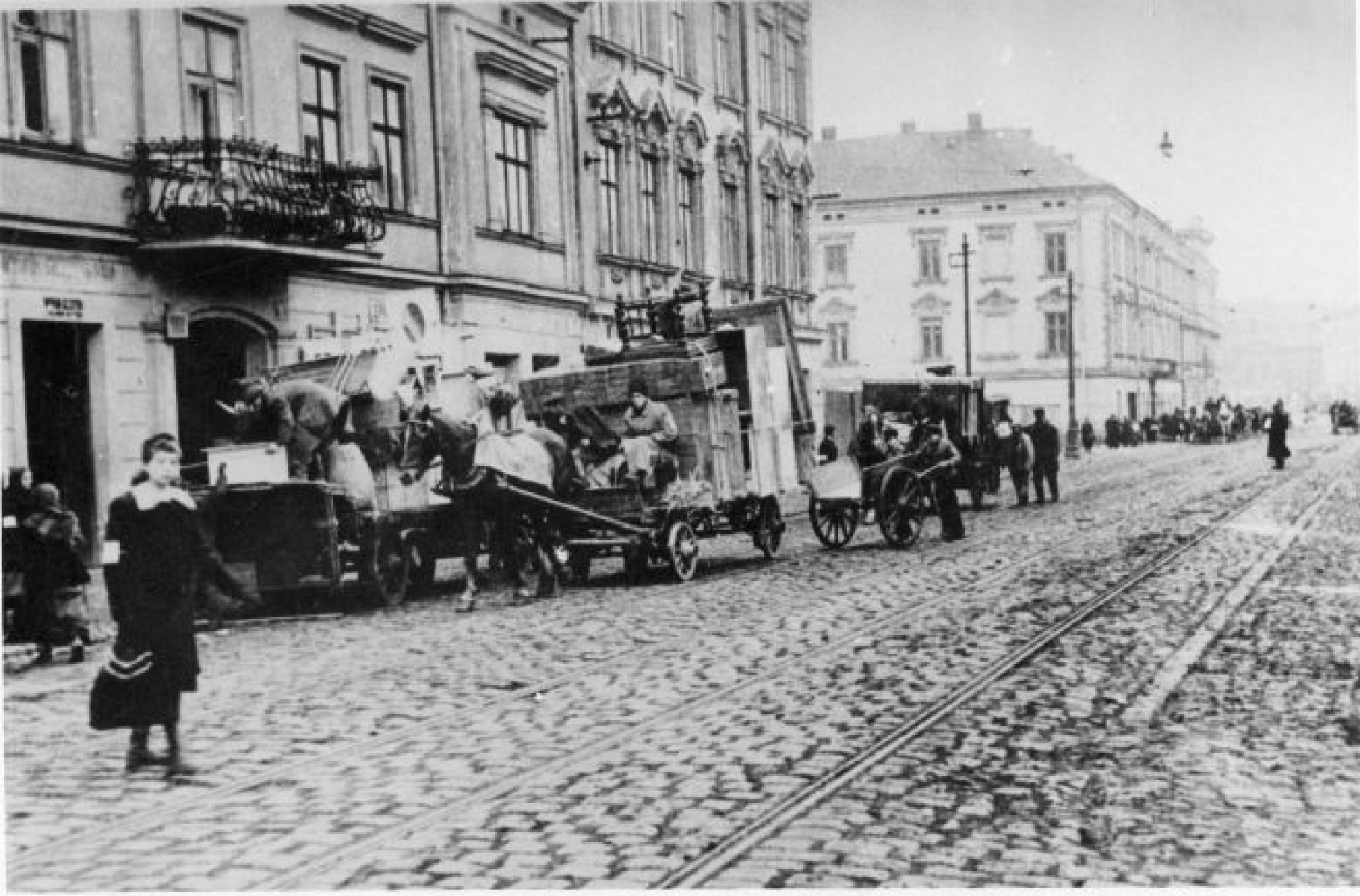
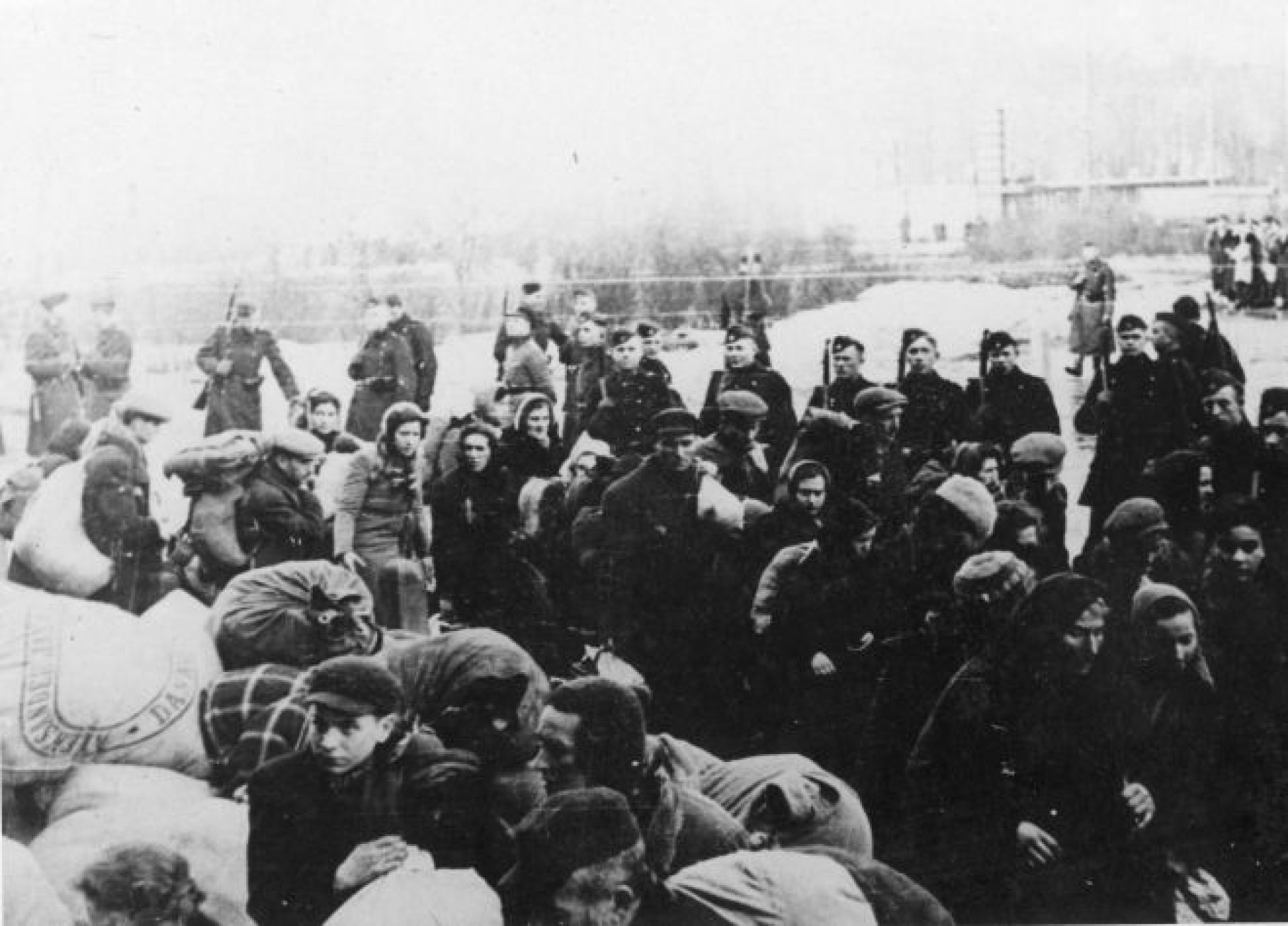
Kraków played a significant and tragic role during the Holocaust and World War II. It served as the capital of the Generalgouvernement (General Government). This distinction intensified the persecution of the city’s large Jewish population. It also worsened the suffering of the non-Jewish population.
Although eighty-one years have passed since the end of the Second World War, more remarkable women’s life stories continue to be revealed. These appear in autobiographies, biographies, and scholarly publications on this topic. This International Conference on Women and the Holocaust will present many individual stories of women and women’s group activities during the Holocaust in Kraków. These stories comprise an interesting, original, and unique tapestry of women’s experiences from gendered perspectives.
We warmly welcome topic proposals that challenge both established and new disciplinary approaches to the study of the Holocaust. We are especially eager to encourage the participation of early-career scholars, alongside more established and experienced scholars.
Possible topics include individual or group women's experiences during the Holocaust in Kraków, shifts or continuities in women’s traditional roles, accounts of education, resistance, health, arts, and research, personal stories of self-sacrifice or coping with adversity, maintaining feminine identity, and experiences of sexual violence.
Conference panels will be moderated and will feature three to four presentations, not longer than 20 minutes each.
The conference will take place from October 26 to 28, 2026, in Kraków, Poland, at the Museum of Kraków. Venues are Sala Miedziana, Pałac Krzysztofory, Rynek Główny 35, 31-011 Kraków, and Oskar Schindler's Enamel Factory, Lipowa 4, 30-702, Kraków. English will be the working language of the conference.
Kraków played a significant and tragic role during the Holocaust and World War II. It served as the capital of the Generalgouvernement (General Government). This distinction intensified the persecution of the city’s large Jewish population. It also worsened the suffering of the non-Jewish population.
Although eighty-one years have passed since the end of the Second World War, more remarkable women’s life stories continue to be revealed. These appear in autobiographies, biographies, and scholarly publications on this topic. This International Conference on Women and the Holocaust will present many individual stories of women and women’s group activities during the Holocaust in Kraków. These stories comprise an interesting, original, and unique tapestry of women’s experiences from gendered perspectives.
We warmly welcome topic proposals that challenge both established and new disciplinary approaches to the study of the Holocaust. We are especially eager to encourage the participation of early-career scholars, alongside more established and experienced scholars.
Possible topics include individual or group women's experiences during the Holocaust in Kraków, shifts or continuities in women’s traditional roles, accounts of education, resistance, health, arts, and research, personal stories of self-sacrifice or coping with adversity, maintaining feminine identity, and experiences of sexual violence.
- A narrative of a women’s group activity during the Holocaust.
- An individual example of revolution or continuation in women’s traditional function during the Holocaust.
- An individual life story that demonstrates and reveals one woman’s education, fighting, health, arts, research, etc., during the Holocaust and regarding the Holocaust.
- One woman’s self-sacrifice during the Holocaust.
- One observant woman who coped with difficulties and obstacles during the Holocaust.
- A personal example of the struggle to maintain feminine identity during the Holocaust.
- A personal narrative about coping with sexual violence during the Holocaust.
- Explore the stories of pharmacists at the Pharmacy under the Eagle during WWII, healthcare providers, women at Oskar Schindler’s factory, and women’s artifacts or representation in Kraków’s museums.
- The story of the pharmacists of the Pharmacy under the Eagle by Tadeusz Pankiewicz during WWII.
- Doctors and nurses who worked in Kraków during World War II.
- Stories of women who worked in Oskar Schindler’s factory.
- Objects, war memorabilia of women from Kraków, which are in the museums in Kraków, that survived the Holocaust.
- Representation in museums in Kraków of Jewish and non-Jewish women from Kraków during the Holocaust and World War II.
Conference panels will be moderated and will feature three to four presentations, not longer than 20 minutes each.
Submission of Conference Proposals
Scholars interested in participating in the Women of Kraków through the Kaleidoscope of the Holocaust and WWII conference are invited to submit their proposals by May 15, 2026.
Each proposal should include:
- Title
- Abstract (250–300 words in English)
- Short Bio (maximum 150 words)
- Decisions on paper acceptance will be announced by June 30, 2026.
- Proposals should be sent to whisc.center@gmail.com.
Conference Fees
The conference participation fee is:
The fee includes refreshments and an opening reception. It also covers an additional conference program and the publication of selected papers based on research presented at the conference.
Flights and hotels at the participants’ expense.
- €150 for participants based in the European Union, North America, and Israel
- €120 for early registration
The fee includes refreshments and an opening reception. It also covers an additional conference program and the publication of selected papers based on research presented at the conference.
Flights and hotels at the participants’ expense.
Payment Deadlines
The conference fee should be paid by:
Early registration: by July 15, 2026
Late registration: by July 30, 2026
Early registration: by July 15, 2026
Late registration: by July 30, 2026
Conference Committee:
Dr. Batya Brutin, Beit Berl Academic College, Israel, and WHISC
Prof. Dr. Lily Halpert Zamir, David Yellin Academic College of Education, Israel, and WHISC
Dr. Ewa Węgrzyn, Institute of Jewish Studies, Jagiellonian University in Kraków
Prof. Maciej J. Tomal, Institute of Jewish Studies, Jagiellonian University in Kraków
Prof. dr hab. Łukasz Tomasz Sroka, Institute of History and Archival Studies UKEN, Kraków
Prof. Anna Zapalec, Institute of History and Archival Studies UKEN, Kraków
Dr. Przemyslaw Zarubin, Museum of Kraków
Prof. Dr. Lily Halpert Zamir, David Yellin Academic College of Education, Israel, and WHISC
Dr. Ewa Węgrzyn, Institute of Jewish Studies, Jagiellonian University in Kraków
Prof. Maciej J. Tomal, Institute of Jewish Studies, Jagiellonian University in Kraków
Prof. dr hab. Łukasz Tomasz Sroka, Institute of History and Archival Studies UKEN, Kraków
Prof. Anna Zapalec, Institute of History and Archival Studies UKEN, Kraków
Dr. Przemyslaw Zarubin, Museum of Kraków